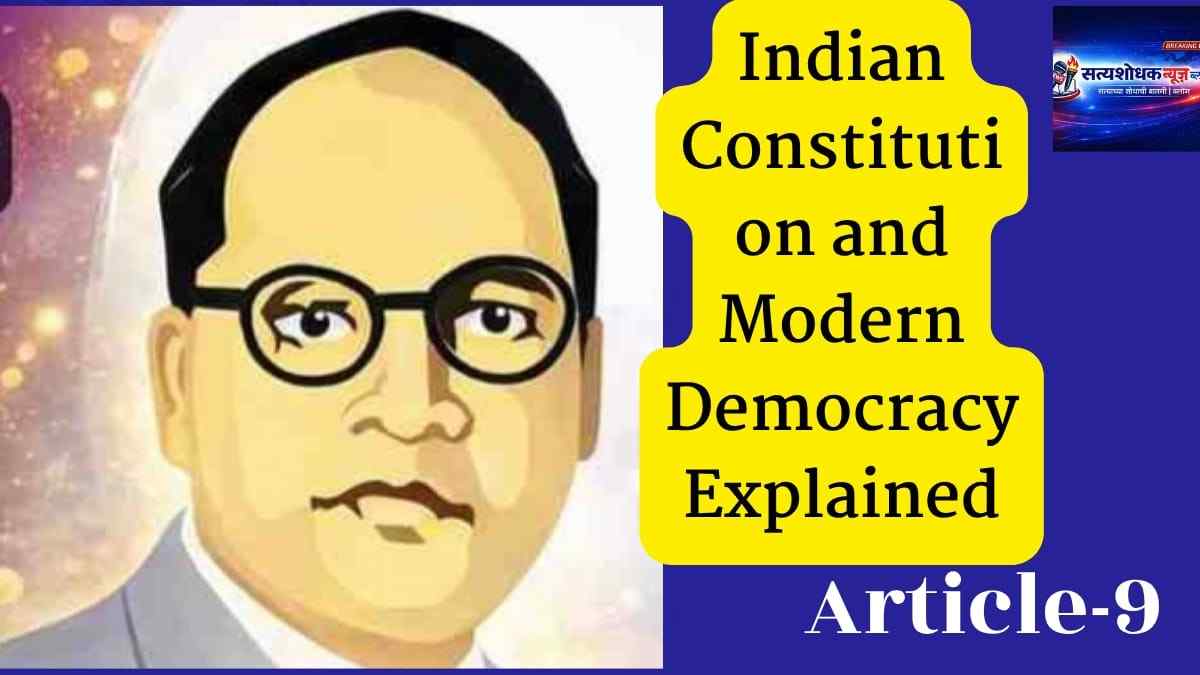
Indian Constitution and Modern Democracy Explained in 2026
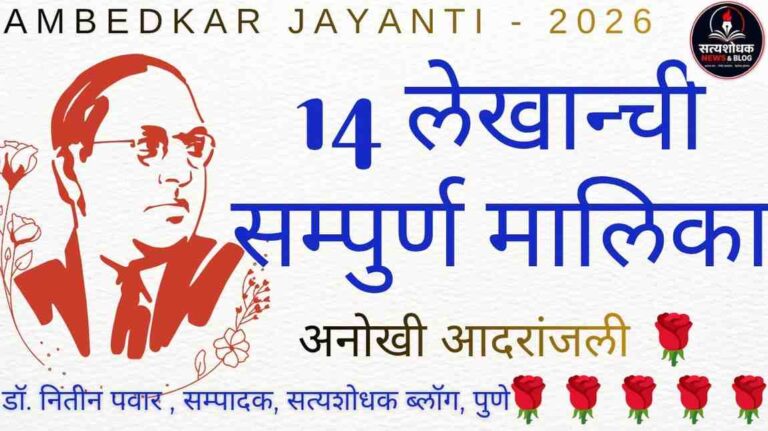
Date-14-14 Revolutionary Articles by Dr. Nitin Pawar
Introduction:
Indian Constitution and Modern Democracy are similar or different today? Or all constitution users are similar?
Why the Indian Constitution Still Matters?
The Constitution of India is the foundation of the world’s largest democracy. Drafted under the leadership of Dr. B. R. Ambedkar, it represents a vision of equality, liberty, and fraternity.
On the occasion of Ambedkar Jayanti,’Indian Constitution and Modern Democracy’ article honors Babasaheb’s contribution through meaningful reflection. His ideas, found in his writings and speeches, continue to guide India toward social justice and inclusive democracy.
Even in 2026, the Constitution remains highly relevant as India faces challenges like inequality, unemployment, misinformation, and social division.
What Makes the Indian Constitution Unique?
The Indian Constitution is one of the most detailed and comprehensive legal documents in the world. It ensures:
• Fundamental Rights for all citizens
• Equality before law
• Freedom of expression
• Protection against discrimination
• These principles form the backbone of Indian democracy.
However, their true success depends on how deeply they are practiced in everyday life.
Democracy Beyond Elections
Democracy in India is often limited to voting, but it is much more than elections.In article,’Indian Constitution and Modern Democracy’ we tried to value for this question.
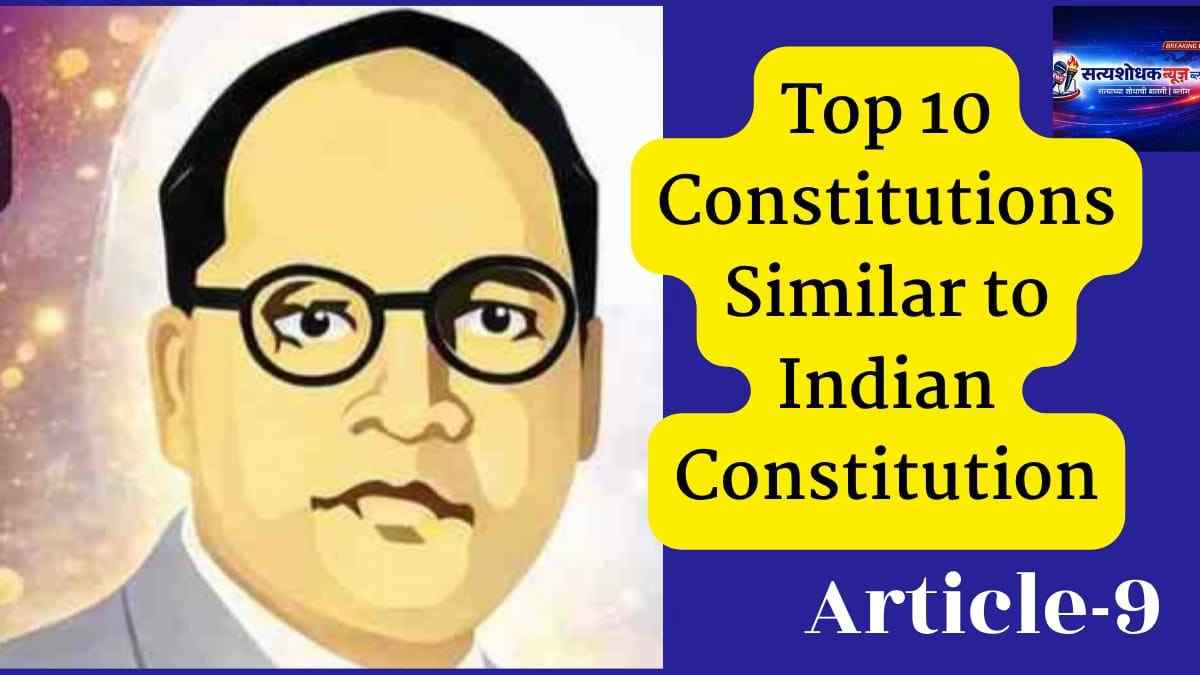
Top 10 Constitutions Similar to Indian Constitution:
Dr. B.R. Ambedkar and a comparative look at the Top 10 Constitutions similar to the Indian Constitution (Article 9 Series).
1. 🇬🇧 Constitution of the United Kingdom
Source of India’s parliamentary system
Concept of rule of law and cabinet government
India adopted the Westminster model 2. 🇺🇸 Constitution of the United States
Inspiration for Fundamental Rights
Concept of judicial review
Federal structure influence 3. 🇮🇪 Constitution of Ireland
Source of Directive Principles of State Policy
Blend of social justice ideals 4. 🇨🇦 Constitution of Canada
Strong federal system with a central bias
Concept of residuary powers 5. 🇦🇺 Constitution of Australia
Concurrent list concept
Trade and commerce provisions 6. 🇩🇪 Basic Law for the Federal Republic of Germany
Strong protection of fundamental rights
Federal structure with constitutional supremacy 7. 🇫🇷 Constitution of France
Ideals of Liberty, Equality, Fraternity
Republican values reflected in India 8. 🇿🇦 Constitution of South Africa Strong Bill of Rights
Focus on social justice and equality 9. 🇯🇵 Constitution of Japan
Parliamentary democracy
Emphasis on peace and rights 10. 🇳🇴 Constitution of Norway
One of the oldest written constitutions
Democratic governance and rights Conclusion:
The Constitution of India is unique because it is a blend of global best practices. It borrowed features from multiple constitutions and adapted them to India’s diverse society, making it one of the most comprehensive and flexible constitutions in the world.
True democracy means:
• Active citizen participation
• Awareness of rights and laws
• Holding authorities accountable
• The Constitution empowers citizens—but also expects responsibility.
• Rights and Responsibilities of Citizens
• A strong democracy requires balance.
Citizens must:
• Respect the law
• Protect public property
• Promote harmony and unity
• Understanding this balance is essential for sustaining democratic values in society.
Challenges in Modern Democracy (2026)
In today’s digital and AI-driven world, democracy faces serious threats:
• Fake news and misinformation
Social polarization
• Misuse of freedom of expression
• In such times, constitutional values act as a guiding light. • Strengthening education and awareness is critical for the future.
Role of Youth in Strengthening Democracy
India’s youth hold the key to the future of democracy.
They must:
• Stay informed and educated
• Engage in meaningful discussions
Stand for truth, equality, and justice
• A responsible and aware youth population ensures a stronger and healthier democracy.
• The Indian Constitution is not just a historical document—it is a living guide.
• Modern democracy can survive and thrive only when citizens understand and uphold constitutional values.
Dr. Nitin Pawar is the Founder & Editor of Satyashodhak Blog. He writes on social justice, education, politics and current affairs with a bold, analytical and ground-level perspective.
डॉ. नितीन पवार सामाजिक प्रश्न, शिक्षण आणि राजकारणावर अभ्यासपूर्ण व निर्भीड लेखन करतात.